Watercolor Crystals Clipart: A Designer's Stitch Review
When I first pulled up the Watercolor Crystals Clipart on my screen, my immediate reaction wasn't just about the aesthetic; it was about the translation from pixel to thread. As someone who spends half their life troubleshooting digitized files and the other half managing client expectations for handmade products, I look at illustrations differently than a graphic designer might. I'm not just asking if it looks pretty; I'm asking if it will survive the hoop without puckering, if the details will hold up on a textured sweatshirt, and if it adds enough perceived value to justify the price point of a finished product.
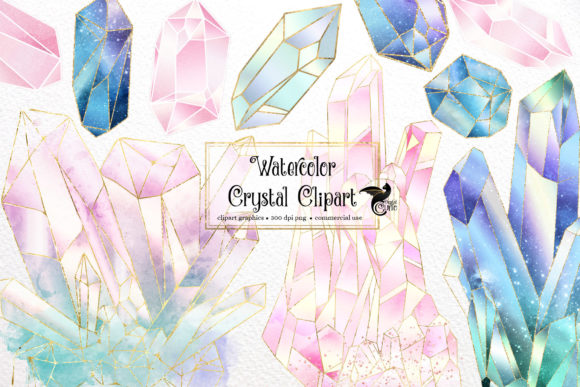
This specific set of crystal illustrations carries a very distinct mood. It feels ethereal, modern, and slightly mystical, which is perfect for the current trend in boutique branding and spiritual-themed apparel. However, watercolor styles in a digital format often rely on soft gradients and bleeding edges that can be a nightmare to replicate with thread. The challenge with Watercolor Crystals Clipart lies in maintaining that fluid, organic feel while adhering to the rigid rules of machine embroidery. Does it work? Yes, but only if you approach the project with a clear strategy regarding fabric choice and stitch types.
Translating Soft Edges into Solid Stitches
The visual personality of these crystals suggests a lightness that heavy fill stitches might crush. In a real-world scenario, imagine you are preparing a custom order for a local yoga studio owner who wants branded tote bags. They want something that feels high-end but not overly corporate. This is where Watercolor Crystals Clipart shines. The shapes are geometric yet imperfect, mimicking the natural formation of minerals.
When evaluating this as a potential machine embroidery design, you have to consider how the software will interpret those watercolor washes. If you are using this as a reference to create your own digitization, you'll likely want to lean heavily on running stitch for the outlines to keep things delicate, perhaps mixing in light fill stitch areas for the facets of the crystals. Avoid dense satin columns unless they are very narrow; too much density on a tote bag canvas can cause the fabric to warp, ruining the crisp lines of the crystal points. The goal is to capture the essence of the illustration without turning it into a solid block of thread that lacks dimension.
Real-World Application: The Boutique Sweatshirt Test
Let's move from theory to a specific case study. I recently considered using similar crystal motifs for a line of limited-edition sweatshirt embroidery intended for holiday gifts. The Watercolor Crystals Clipart offers a fantastic opportunity here because the theme fits perfectly with winter aesthetics and New Year's resolutions focused on clarity and growth.
However, executing this on fleece or French terry requires caution. These fabrics have a significant fabric texture that can swallow small details. If you attempt to stitch the finer, jagged edges of the crystals directly onto a thick hoodie without proper preparation, the design will look muddy. My recommendation for this application is to treat the clipart as an applique design concept. Cut the crystal shapes from a smooth cotton or felt backing, adhere them to the sweatshirt, and then use a tight satin or wide running stitch to secure the edges. This method preserves the sharp definition of the Illustrations while adding a tactile, premium feel that customers love in a handmade product.
For a simpler approach on lighter garments like t-shirts or baby clothes, the design works well as a standard embroidery patch. The geometric nature of crystals means there are fewer curved lines to manage, reducing the risk of registration errors. A baby embroidery project featuring a small, pastel-colored crystal cluster on a onesie would be incredibly charming, provided the stitch density is kept low to ensure comfort against sensitive skin.
Navigating Technical Challenges and Fabric Choices
While the artistic potential is high, there are zones where you need to exercise extreme care. The primary concern with Watercolor Crystals Clipart is the complexity of the internal facets. In a digital file, these layers look stunning, but in thread, they can become a tangled mess if the embroidery file isn't optimized.
- Small Hoop Sizes: If you are working with a 4x4 hoop, you may need to simplify the design. Trying to cram too many crystal facets into a tiny space will result in bird-nesting and broken needles.
- Dark Fabrics: Watercolor effects often rely on transparency. On black or navy fabric, you cannot rely on the fabric showing through. You must plan for an underlay or use lighter thread colors strategically to create the illusion of depth, otherwise, the design will look flat.
- Stretchy Materials: Caps and fitted hats are tricky. The curved surface of a cap combined with the stretch of the fabric can distort the straight lines of the crystals. Always test on a scrap piece of the actual cap material first.
- Frequent Washing: Items like kitchen towels or aprons undergo rigorous washing. Ensure your start and stop points are secure, and consider avoiding extremely long jumps between crystal elements that could snag in the laundry.
It is also vital to think about the stabilizer. For a design with sharp points like crystals, a cut-away stabilizer is often safer than tear-away, especially on stretchy knits. Tear-away can sometimes leave micro-frays around the sharp tips of the design after removal, compromising the clean look you worked so hard to achieve.
Boosting Brand Value and Customer Trust
From a business perspective, incorporating Watercolor Crystals Clipart into your catalog can significantly elevate your brand perception. There is a growing market for "crystal healing" and mindfulness products, and having a professional, cohesive set of designs allows you to tap into that niche effectively. Whether you are an Etsy seller listing custom jewelry pouches or a craft business owner creating booth displays for craft fairs, consistency is key.
Using these assets across different mediums—from physical embroidered patch products to printable mockup images for your online store—creates a strong visual identity. When a customer sees the same high-quality crystal motif on your Instagram, your website, and the actual finished product they receive, it builds trust. It signals professionalism. It tells the buyer that you care about the details, which justifies a higher price point for your custom apparel or personalized gift items.
Final Verdict and Designer Notes
Before you commit to a full production run, treat Watercolor Crystals Clipart with the respect it deserves as a design asset. Do not assume the digital preview translates perfectly to the machine.
- Test First: Always stitch out a sample on scrap fabric that matches your final project's weight and texture.
- Check Contrast: View your test stitch-out in black and white. If the details disappear, you need to adjust your thread palette or simplify the design.
- Verify Licensing: If you intend to sell items made with this design or include it in a digital embroidery file pack you are selling, double-check the license terms. Commercial use rights vary wildly between creators.
- Mockup Diversity: Create mockups showing the design on both light and dark backgrounds to help customers visualize the end result.
In conclusion, Watercolor Crystals Clipart is a versatile and trendy resource for the modern maker. It bridges the gap between digital artistry and tactile craftsmanship. While it demands a thoughtful approach to digitization and material selection, the payoff is a collection of small shop product offerings that feel fresh, relevant, and beautifully executed. Whether you are making a single holiday embroidery gift for a friend or launching a new line of commercial embroidery goods, these crystals offer a sparkling foundation for creativity.