Reviewing Watercolor Glitter Dress Clipart for Stitching
As a designer who spends more time staring at stitch simulations than actual fabric, I approach new Illustrations with a critical eye. When I first opened the files for the Watercolor Glitter Dress Clipart, my immediate reaction wasn't just about the aesthetic charm; it was about translation. How does this soft, ethereal digital art survive the mechanical reality of a needle punching through cloth? The design carries a whimsical, high-fashion mood that feels perfect for boutique branding, but turning a watercolor effect into a tangible machine embroidery design requires careful planning.
The Visual Personality and First Impressions
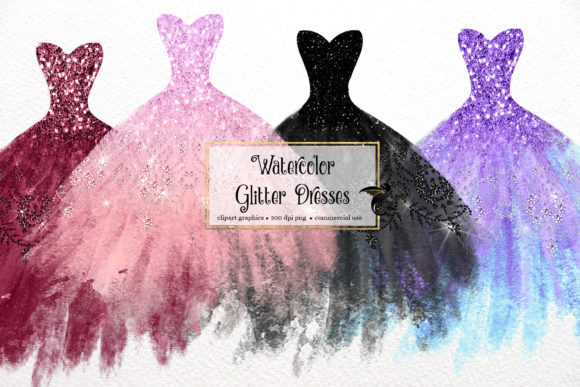
The Watercolor Glitter Dress Clipart exudes a delicate femininity. The lines are fluid, suggesting movement rather than rigid structure, which is a bold choice for embroidery where stability is key. The "glitter" aspect in the digital file relies on texture and light reflection, something we have to replicate manually through thread selection and stitch types. In a real-world scenario, this design doesn't scream "utility"; it whispers "luxury." It naturally belongs on items where the visual appeal drives the value, such as a high-end tote bag design for a bridal party or a signature logo for a children's clothing line.
When evaluating the layout, the detail level is moderate. It isn't so dense that it will turn your fabric into cardboard, but it has enough complexity to demand respect. The shape is organic, which means standard hooping techniques might need adjustment to prevent distortion. For an Etsy seller looking to stand out, this kind of visual personality offers a break from the blocky, geometric trends that dominate the market. It feels handmade even before the first stitch is dropped.
Real-World Application: The Boutique Sweatshirt Test
To truly gauge the potential of this embroidery project, I imagined a specific client request: a custom sweatshirt embroidery order for a small fashion boutique. The goal was to create a limited-run hoodie featuring the dress graphic on the back, with a small coordinate mark on the cuff. This is a common small shop product strategy that relies on perceived value.
On a mid-weight cotton blend fleece, the Watercolor Glitter Dress Clipart shines. The softness of the watercolor style complements the fuzzy texture of the sweatshirt. However, replicating the "glitter" requires a strategic approach to thread colors. You cannot rely on a single shade. To achieve that sparkling effect without actual metallic thread (which can be scratchy), I would recommend using variegated threads or blending light and dark shades of the same hue in a fill stitch pattern. This creates depth and mimics the shimmer of the original digital asset.
For the customer receiving this personalized gift or custom apparel, the reaction is likely to be one of delight. It looks expensive and thoughtful. It elevates a basic garment into a handmade product that feels curated. If you are building a brand around gentle, artistic aesthetics, this design reinforces that identity perfectly. It builds customer trust because it shows you care about the nuance of the final look, not just slapping a logo on a shirt.
Navigating Fabric Textures and Challenges
While the design performs beautifully on stable fabrics like denim, canvas, or fleece, caution is required elsewhere. If you attempt this on a stretchy jersey knit for baby embroidery, the organic lines of the dress could warp during washing. The watercolor edges, which likely rely on subtle gradations, might blur if the fabric shifts under the needle. In these cases, a high-quality cut-away stabilizer is non-negotiable. Do not skimp here; the integrity of the finished product depends on it.
Dark fabrics present another hurdle. The original Illustrations likely feature light, airy tones. Stitching these directly onto black navy fabric will result in a loss of definition unless you employ an underlay strategy or use a lighter backing fabric visible through intentional gaps. Alternatively, this design works exceptionally well as an applique design. By cutting the dress shape from a printed fabric that matches the watercolor vibe and stitching around it with a tight satin stitch border, you preserve the artistic integrity while solving the color contrast issue. This technique is particularly effective for embroidered patch creations or heavy-duty tote bag design applications.
Commercial Viability and Brand Consistency
For commercial embroidery projects, consistency is king. If you plan to sell hundreds of units featuring the Watercolor Glitter Dress Clipart, you must ensure your stitch density is optimized. High density looks lush but increases production time and thread consumption. Low density speeds up the process but risks looking cheap. Finding the sweet spot ensures your craft business remains profitable while maintaining a premium look.
This design also translates well to printable mockup assets. Before committing to physical production, smart creative entrepreneurs use these digital files to create lifestyle images for their online stores. The artistic nature of the clipart makes it highly "instagrammable," driving buyer engagement on social media platforms. It serves as a versatile design asset that works across physical goods and digital marketing.
Practical Notes for the Serious Maker
Before running this digital embroidery file on a client's garment, adhere to these practical steps:
- Test on Scrap: Always stitch a sample on the exact fabric weight you intend to use. Watch how the watercolor gradients translate.
- Check Contrast: View your test stitch-out in black and white. If the details disappear, adjust your thread palette.
- Verify Hoop Size: Ensure the design fits your available hoop size without needing excessive re-hooping, which can cause alignment issues.
- Inspect Small Details: Look closely at the hem of the dress and any "glitter" specks. Tiny isolated stitches may need to be connected or removed to prevent bird nesting.
- Confirm Licensing: Since this is intended for commercial use, double-check the license terms regarding the sale of finished physical items versus digital redistribution.
Ultimately, the Watercolor Glitter Dress Clipart is a strong contender for designers who want to inject softness and artistry into their portfolio. It bridges the gap between digital illustration and tactile craft. Whether used for holiday embroidery gifts, nursery decor, or boutique branding, it demands a thoughtful approach to materials and technique. When executed with care, it results in a finished product that feels less like mass production and more like a piece of wearable art.