Review: 2022 Calendar with Watercolor Flower Design
As a designer who spends more time staring at stitch simulations than actual calendars, I approach every new machine embroidery design with a critical eye. It is not just about whether the image looks pretty on a screen; it is about how those vectors translate into thread, how the density sits on fabric, and whether the final finished product holds up to the scrutiny of a paying customer. Recently, I took a close look at the 2022 Calendar with Watercolor Flower, a piece categorized under Illustrations, to see if it has the legs to support real-world embroidery project needs.
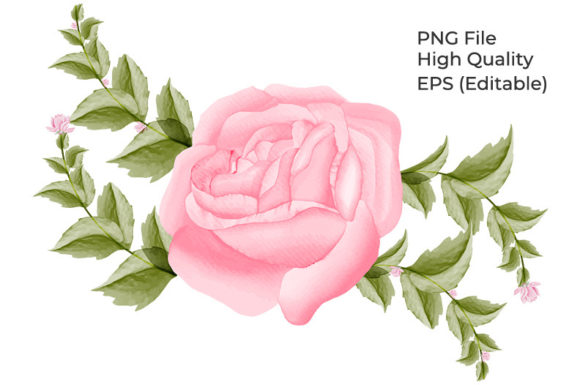
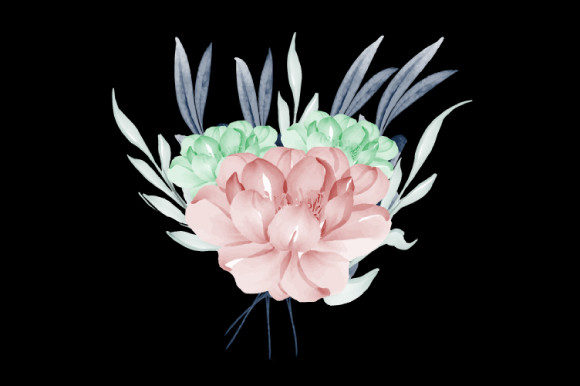
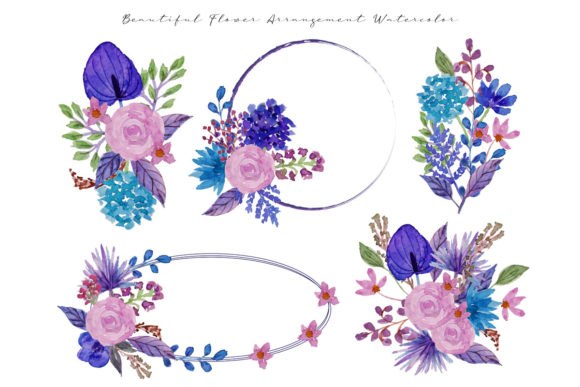
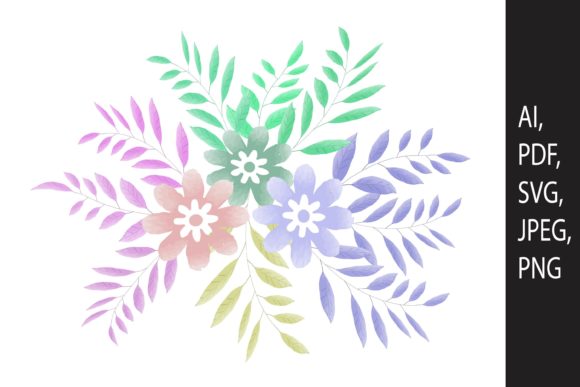
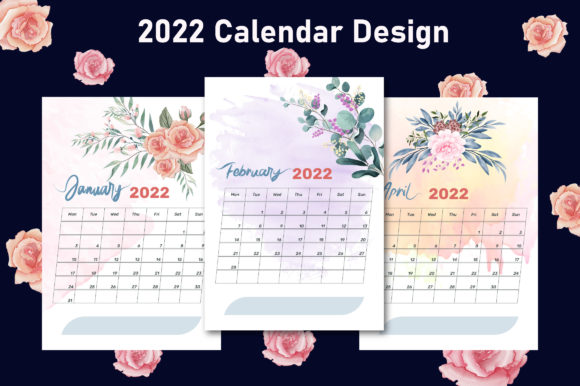
The first impression of this design is one of softness and nostalgia. Unlike the rigid, geometric layouts often found in standard calendar graphics, this piece leans heavily into an organic, artistic vibe. The watercolor aesthetic suggests a blend of fill stitch gradients and delicate running stitch outlines that mimic the bleed of paint on paper. For a crafter or Etsy seller, this mood is invaluable. It immediately signals "handmade" and "boutique," distancing the item from mass-produced retail goods. However, that same softness presents specific challenges when converting a digital concept into physical thread.
Visual Personality and Project Fit
The layout of the 2022 Calendar with Watercolor Flower feels intentional yet airy. The floral elements likely serve as framing devices or accents rather than overpowering the functional dates. In terms of visual personality, this design screams "giftability." It is the kind of asset that elevates a simple household item into a cherished keepsake. When I visualize this stitched out, I see it working beautifully on home decor items like linen tea towels or cotton pillow covers where the fabric texture can complement the watercolor effect.
For custom apparel, the design offers a unique opportunity. Imagine this embroidered on the lower corner of a high-quality canvas tote bag design or centered on the chest of a cream-colored sweatshirt. The sweatshirt embroidery market is saturated with bold, blocky text, so a softer, illustrative approach helps a small shop product stand out. The watercolor theme suggests a spring or early summer release, making it perfect for seasonal collections or Mother's Day promotions.
Real-World Application: The Boutique Tote Scenario
Let's walk through a realistic scenario. Suppose you are preparing a run of limited-edition tote bags for a local farmer's market or an online boutique drop. You choose the 2022 Calendar with Watercolor Flower as the primary graphic. Your goal is to create a functional item that customers will want to display, not just use for groceries.
In this context, the design's success hinges on execution. If the original digital embroidery file utilizes varied thread colors to achieve the watercolor gradient, you must ensure your machine can handle the color changes without creating excessive bulk. On a tote bag, which undergoes significant stress, a design with too many dense layers might cause the fabric to pucker over time. A savvy craft business owner would test this extensively. Does the floral detail remain crisp after ten washes? Do the month names, which are likely small, remain legible?
If executed well, this design adds perceived value. A customer isn't just buying a bag; they are buying a piece of art that helps them organize their year. This emotional connection drives buyer engagement and fosters brand loyalty. For commercial embroidery projects, that distinction between a commodity and a curated item is where the profit margin lives.
Technical Considerations and Fabric Constraints
While the aesthetic appeal is high, we must discuss the technical realities. Watercolor effects in embroidery often rely on complex blending or very fine stitch density variations. This can be tricky on certain materials. If you are stitching on a textured fabric like a waffle weave or a heavy terrycloth towel, the fine details of the flower petals might get lost. The "noise" of the fabric texture can interfere with the subtle gradations intended by the designer.
Furthermore, consider the hoop size requirements. Calendars inherently require space to be readable. If the design is condensed to fit a small hoop, the typography may become illegible, rendering the calendar function useless. Always check the available sizes before committing to a project. If the design includes tiny lettering for the days of the week, it may not be suitable for stretchy fabrics like jersey knits unless you use a very stable cut-away stabilizer. Without proper stabilization, the movement of the fabric during wear could distort the dates, making the personalized gift look amateurish.
Dark fabrics present another hurdle. A watercolor style usually depends on light, translucent layers. Stitching this directly onto black or navy fabric might require a white underlay that alters the intended color palette, potentially making the flowers look flat rather than ethereal. In such cases, an applique design approach—where the calendar is stitched onto a lighter fabric patch and then applied to the dark garment—might yield a superior finished product.
Enhancing Brand Value and Professionalism
Using a cohesive design like the 2022 Calendar with Watercolor Flower contributes significantly to brand consistency. For creative entrepreneurs selling design assets or physical goods, the quality of the stitch-out reflects directly on their reputation. A clean, well-digitized calendar shows attention to detail. It tells the customer that you care about the utility and longevity of the item.
This design also works exceptionally well for printable mockup creation. Before you even stitch a single thread, you can place the design on digital mockups of aprons, caps, or nursery decor to gauge market interest. The illustrative nature of the artwork translates well to 2D previews, helping you secure pre-orders or gauge social media reaction. However, remember that a mockup is not a substitute for a physical test. The way light hits satin thread versus matte cotton thread can drastically change the appearance of the watercolor effect.
Practical Notes for the Embroiderer
Before integrating this design into your production line or offering it as a holiday embroidery option, adhere to these practical steps:
- Test on Scrap First: Never skip the sample run. Use the exact fabric and stabilizer combination you plan to sell.
- Check Contrast: Ensure the thread colors provide enough contrast against your chosen fabric background so the dates are actually readable.
- Inspect Small Details: Zoom in on the digitized file. Are there unnecessary jump stitches? Is the underlay sufficient for the fill areas?
- Verify Licensing: If you intend to sell items made with this design, confirm the license terms. Some designers allow unlimited physical sales, while others restrict commercial use or require an upgraded license for Etsy seller accounts.
- Consider the End User: Will this item be washed frequently? If so, ensure the stitch count isn't so high that it creates a stiff, uncomfortable patch on clothing.
Ultimately, the 2022 Calendar with Watercolor Flower represents a bridge between functional utility and artistic expression. It is not merely a set of numbers; it is a decorative element that invites interaction. For the discerning maker, it offers a chance to create something that feels personal and thoughtful. Whether you are decorating a baby embroidery project for a nursery or creating a line of boutique kitchen linens, this design has the potential to shine—provided you respect the technical nuances of turning a watercolor dream into a stitched reality.